November 18, 2026
Modern residential properties rely on overhead entry systems every single day to provide convenient vehicle access, energy efficiency, and dependable security. Among mechanical systems in a home, garage doors represent the largest and heaviest moving assembly. A typical overhead door can weigh between one hundred and four hundred pounds, operating under intense mechanical force and counterweight tension. When functioning smoothly, panels glide along steel tracks with quiet efficiency at the push of an opener button. However, that movement conceals tremendous physical energy that can cause devastating injuries or structural damage if protective components fail, shift out of balance, or wear down over years of operation.
Because of this immense moving mass, modern safety components are vital life-saving systems. Built-in protective mechanisms shield family members, pets, vehicles, and building structures from heavy impact and entrapment. Understanding the role of these engineering features, how they mitigate mechanical stress, and why professional technicians must inspect them is essential for property owners seeking long-term safety.
Preventing Severe Entrapment and Impact Hazards
The primary objective of automated protective devices is eliminating crushing and entrapment dangers. When an overhead door closes, downward momentum creates severe force along the bottom seal. Without immediate stopping mechanisms, a descending door can trap an individual underneath, causing broken bones or severe concussions. Standard panels on residential garage doors can exert substantial pressure if resistance controls are neglected.
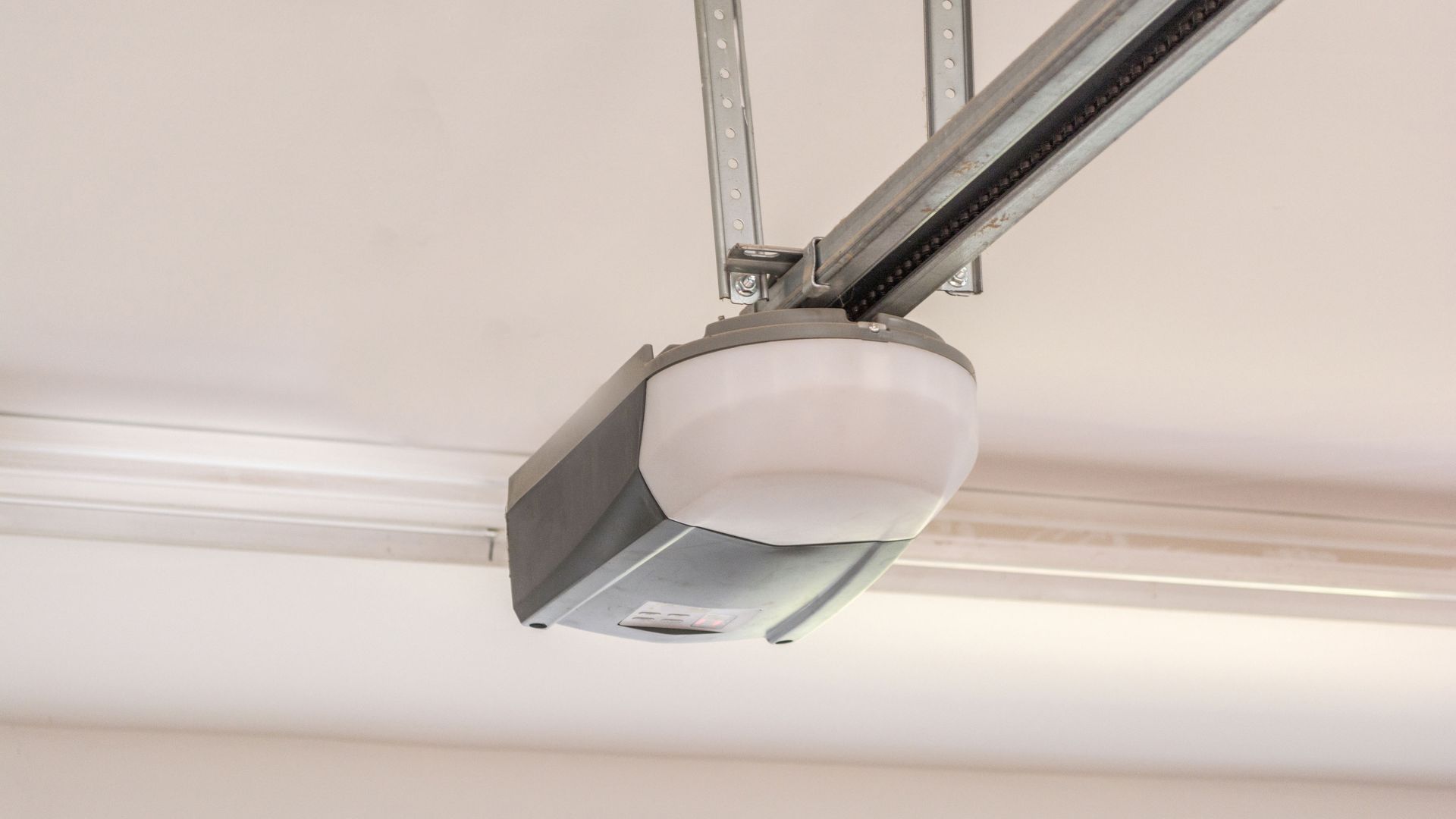
According to This Old House, federal standards enacted by the Consumer Product Safety Commission require all residential openers produced after 1993 to feature dual automatic reversal mechanisms, combining photo-eye sensors and pressure sensitivity. Mechanical pressure resistance operates through internal sensors in the motor assembly that continuously monitor resistance. If the bottom edge encounters an object, the motor detects the sudden spike in resistance, halts downward travel immediately, and reverses direction to full open height. This rapid reversal prevents prolonged compression, providing crucial protection against debilitating entrapment injuries for anyone using the garage.
Protecting Curious Children and Vulnerable Pets
Children and household pets face significant danger from moving overhead entry systems because they lack awareness of mechanical hazards. Small children frequently treat closing garage doors as an obstacle course, attempting to dart underneath before the bottom seal contacts the concrete slab. Similarly, dogs and cats often wander across the threshold unexpectedly, distracted by outdoor noises or following family members outside.
Photo-eye safety sensors serve as an invisible boundary across the threshold to protect these vulnerable household members. Mounted roughly six inches above the garage floor on opposing sides of the track, these units transmit a continuous infrared beam across the opening. If a child, pet, or toy breaks this invisible beam while the door travels downward, the system immediately cancels closing movement and commands the door to rise. This non-contact protection stops physical impact before it can occur, ensuring that sudden movements by pets or young children do not turn into life-threatening emergencies.
Stopping Dangerous Failures in High-Tension Springs
While electronic sensors guard against impact during daily travel, mechanical components inside the lifting assembly mitigate structural risks. Modern garage doors depend on high-tension torsion or extension springs to counterbalance heavy panel weight. These steel springs remain under extreme mechanical pressure during operation, storing enough potential energy to lift hundreds of pounds effortlessly.
Over thousands of operating cycles, steel springs experience metal fatigue, micro-fractures, and eventual breakage. When an unmanaged spring snaps without proper safeguards, it releases tremendous kinetic force that can propel steel fragments across the room or cause the overhead door to freefall violently. To prevent catastrophic failure, containment cables are threaded through extension springs, holding snapped coils securely in place if a fracture occurs. For torsion assemblies, professional spring replacement and regular balance testing ensure that worn coils are swapped out before sudden fractures occur. Keeping these high-tension components properly calibrated prevents catastrophic drops that could crush anything positioned below.
Detecting Physical Obstructions With Photo-Eye Sensors
Non-contact optical detection represents a reliable engineering achievement in modern home automation. Photo-eye sensors installed on automated garage doors provide real-time monitoring across the entry threshold. These sensors operate via an infrared transmitter on one track and a calibrated receiver on the opposite track. As long as the receiving unit registers an unbroken light beam, the logic board recognizes the pathway as completely clear and permits the door to complete its travel cycle.
However, daily garage activities can compromise optical alignment. Vibrations from repeated cycles, accidental bumps from bicycles, or accumulated dust on optical lenses can disrupt beam reception. When an optical fault occurs, the opener defaults to a fail-safe state, refusing to close the door automatically and causing the motor light to flash repeatedly. This fail-safe architecture is intentional; the system refuses downward motion whenever it cannot guarantee an unobstructed opening. Homeowners who notice alignment indicators flickering should seek professional garage door repair to realign sensor brackets, inspect wiring, and restore reliable obstruction detection.
Avoiding Costly Property and Vehicle Damage
The monetary cost of overhead door malfunctions extends far beyond physical injury risks. Modern vehicles parked beneath residential garage doors represent substantial investments, often carrying price tags ranging from tens of thousands to over one hundred thousand dollars. A descending door panel that fails to stop upon contact can crack windshields, crush roof pillars, scratch expensive paint finishes, or cave in rear liftgates, inflicting thousands of dollars in sudden bodywork repair bills.
Beyond vehicle damage, descending panels can crush lawn equipment, bicycles, toolboxes, and sporting gear left across the threshold. A malfunctioning door that falls unevenly due to snapped lift cables can also warp the track assembly, buckle adjacent framing, and destroy door sections. Professional cable repair, roller replacement, and track alignment keep moving components in perfect balance. Investing in preventive maintenance and timely garage door repair protects valuable household investments, preventing accidental collisions that result in extensive out-of-pocket expenses and insurance claims.
Maintaining Mechanical Reliability Through Routine Inspections
Protective mechanisms require consistent upkeep to retain peak operational performance throughout seasons of cold, summer heat, and fluctuating humidity. Environmental temperature swings cause metal components to contract and expand, shifting track alignment and altering spring tension over time. Furthermore, internal electronic components inside electric openers can experience component drift, altering sensitivity thresholds without the homeowner noticing gradual changes. Routine inspections preserve operational balance across all residential garage doors, catching minor issues before they escalate into emergencies.
Routine maintenance performed by experienced technicians is the most dependable method to preserve system safety. Professional inspections include testing auto-reverse pressure sensitivity with wooden block tests, verifying infrared beam cutoff margins, lubricating steel rollers, checking cable fraying, and assessing motor drive limits. If technicians identify worn bearings, stretched cables, or fatigued springs, timely garage door repair prevents sudden mechanical breakdowns. For systems experiencing severe structural degradation or outdated opener configurations, investing in new garage door installation provides modern safety innovations, reliable functionality, and peace of mind.
Overhead entry systems provide unmatched convenience for modern households, but their massive weight and complex mechanical forces demand unwavering respect. Built-in protective mechanisms—including infrared photo-eye sensors, pressure-sensitive auto-reversal controls, containment cables, and balanced spring systems—form an indispensable defensive barrier that shields families, pets, and property from serious harm. Neglecting these safety features invites severe injury risks, property destruction, and unexpected mechanical breakdowns. By scheduling regular safety inspections and addressing minor component wear through timely garage door repair, homeowners can guarantee their systems operate safely and reliably through every cycle. For professional maintenance, opener repairs, or complete system evaluations, turn to Diagnostic Overhead Doors to keep your home protected and operating smoothly.