October 19, 2026
A garage door opener plays an important role in your home's convenience, security, and daily functionality. When an existing motor becomes unreliable or you want to upgrade your current system, installing a new opener can make accessing your garage easier and help your door operate more smoothly. Understanding the installation process can help you prepare for the work and make informed decisions about the equipment that best suits your needs.
From selecting a compatible motor to testing the completed system, professional installation involves several important steps. Knowing what to expect from a new garage door opener installation also helps you understand how proper setup, safety checks, and routine maintenance contribute to dependable performance.
Choosing the Right Opener for Your Garage
Evaluate Your Garage Door's Size and Weight
The first step in selecting a new garage door opener is determining whether the motor can handle your existing door. Garage doors vary in size, weight, construction, and operating requirements, so choosing an opener involves more than simply selecting a model that fits your budget. A professional can assess your door and recommend equipment suited to its specifications.
According to This Old House, a ¾-horsepower garage door opener can lift a door weighing up to 1,000 pounds and measuring 20 feet across. This illustrates why motor capacity matters when selecting an opener. A technician can evaluate the door's dimensions, weight, and balance to help determine the appropriate horsepower and drive system for reliable operation.
The condition of the existing door also influences the recommendation. Worn rollers, damaged tracks, and improperly adjusted springs can interfere with movement and place unnecessary strain on the motor. Addressing these issues before installation helps establish the conditions needed for the opener to function as intended.
Compare Drive Systems and Operating Noise
Different opener designs offer distinct advantages, making it worthwhile to compare their operating characteristics before making a decision. Chain-drive openers use a metal chain to move the door, providing a durable option for many residential garages. However, their operation can produce more noise and vibration than some alternatives.
Belt-drive openers use a reinforced belt instead of a chain, often making them a suitable choice for garages attached to living spaces. Their quieter operation can be particularly beneficial when bedrooms or other frequently used rooms are located near or above the garage. Screw-drive and other available systems have their own operating characteristics, which a technician can explain based on your property's requirements.
When evaluating a new garage door opener, consider how frequently you use the garage, how close it is to your living areas, and what level of operating noise is acceptable. These practical considerations can help narrow your choices and make it easier to select a system that fits your household's routines.
Review Features and Compatibility
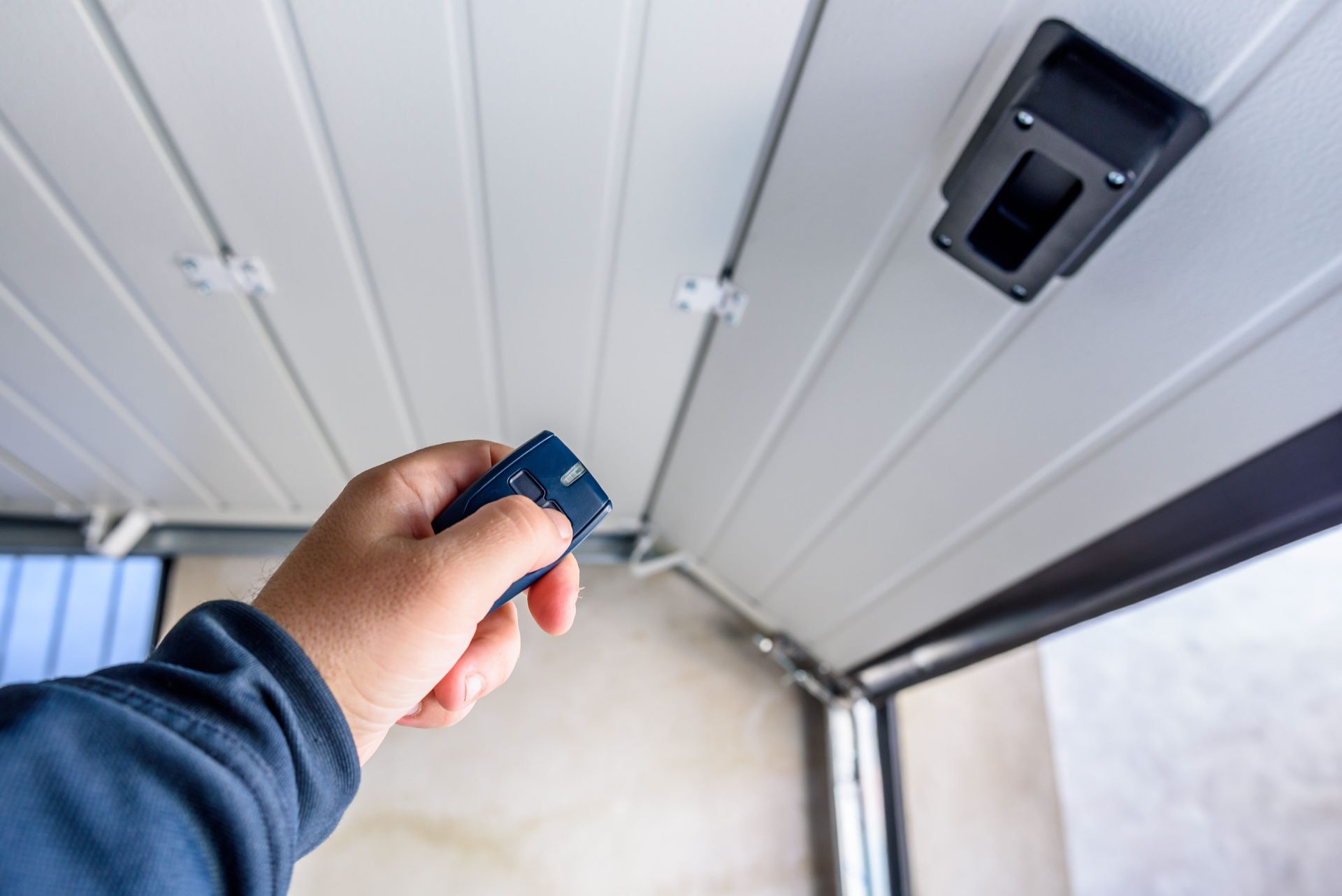
Beyond motor capacity and drive type, the opener's included features can affect everyday convenience. Lighting helps illuminate the garage when the door operates, while remote controls provide access without requiring manual operation. Wall-mounted controls offer another convenient way to open and close the door from inside the garage.
Compatibility is equally important. Your chosen opener must work with the existing door and its mechanical components, as well as any accessories you want to retain. A professional can determine whether your current setup supports the intended equipment or requires additional parts.
Comparing available options with an experienced installer helps you prioritize useful features without paying for unnecessary extras. This step also provides an opportunity to discuss warranties, replacement parts, and service availability before committing to a particular model.
Preparing for the Installation Process
Inspect the Existing Garage Door System
Before installing a new garage door opener, a technician will typically inspect the existing system to identify any problems that could affect the installation. This assessment includes checking the door's balance, springs, rollers, tracks, and other moving components. A door that moves unevenly or requires excessive force to operate may need attention before a new motor can be installed.
The technician will also examine the mounting area and existing opener hardware, if applicable. This helps determine whether the current brackets, supports, and rail components can be reused or whether replacement parts are necessary. Evaluating these details beforehand can prevent compatibility issues and help the installation proceed efficiently.
Homeowners should mention any recurring problems, such as unusual noises, inconsistent movement, or difficulty opening and closing the door. Sharing this information gives the installer a clearer understanding of the system's condition and helps identify concerns that deserve attention during the appointment.
Understand the Installation Steps
Once the equipment and installation requirements have been established, the technician can begin preparing the work area. If an existing opener is being replaced, the old motor, rail assembly, and associated components may need to be disconnected and removed. The technician will also make sure the garage door is secure before working around its mechanical components.
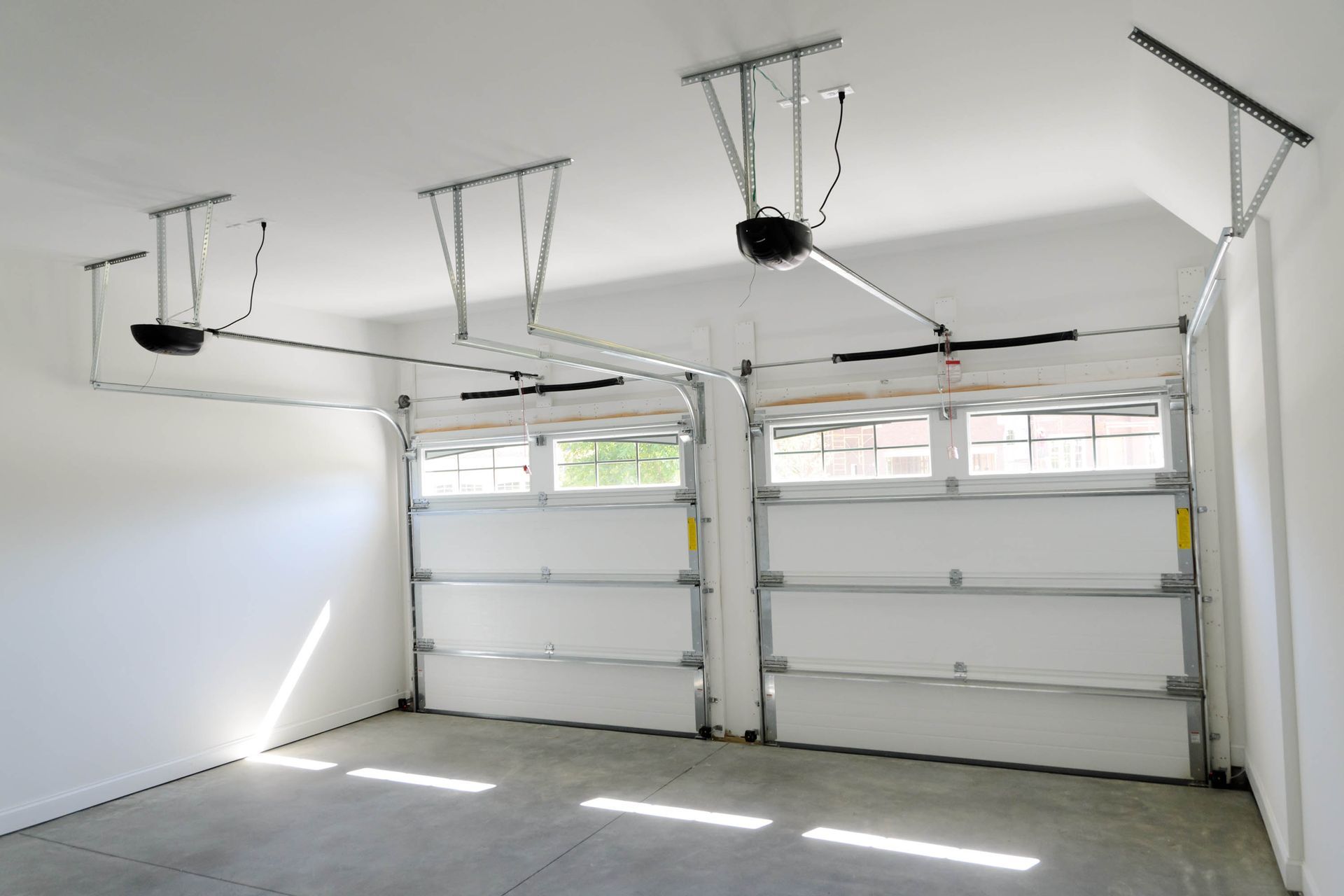
Next, the installer positions and secures the new motor and assembles the rail system that guides the door's movement. The opener is attached to appropriate structural supports, and the necessary connections are completed according to the manufacturer's specifications. Depending on the model and existing setup, the technician may also install or connect wall controls, remote receivers, lighting, and safety sensors.
Proper alignment is essential throughout this process. The rail, motor, and door connection must be positioned correctly to support consistent movement without placing unnecessary strain on the system. Professional installation helps ensure that the equipment is securely mounted and configured according to its requirements rather than relying on adjustments that may compromise performance.
Prepare Your Garage and Schedule
Homeowners can help the appointment run smoothly by clearing the area around the garage door and opener. Move vehicles, storage containers, tools, and other belongings away from the work zone so the technician has sufficient space to access the equipment. Keeping the floor and surrounding area clear also reduces the likelihood of accidental damage during installation.
It is helpful to ensure that the installer can access the garage, electrical connections, and any existing wall controls. If you have the opener's manual, warranty information, or details about previous repairs, keep those materials available. Although these documents may not always be necessary, they can provide useful information about the current setup.
Before the appointment, ask about the expected timeline, installation costs, and whether additional hardware may be required. A new garage door opener installation may take longer when the existing equipment must be removed, compatibility issues arise, or repairs are needed. Discussing these possibilities in advance helps establish realistic expectations and allows you to plan around the work.
Test the Opener and Safety Features
After the equipment has been installed, the technician should test the opener to confirm that the system operates properly. This includes checking the door's opening and closing cycles, listening for unusual sounds, and verifying that the motor responds appropriately to its controls. The installer may adjust the travel limits and force settings to help the door stop at the correct positions and move as intended.
Safety devices also require careful attention. Photoelectric safety sensors near the bottom of the garage door opening detect obstructions in the door's path and help prevent the door from closing when the beam is interrupted. The technician should verify that these sensors are correctly aligned and functioning according to the manufacturer's instructions.
The installer should also test the opener's required reversal functions and explain any applicable safety procedures. Homeowners should understand how the door responds when an obstruction is detected and how to use the controls properly. These checks are an important part of completing a new garage door opener installation, not optional finishing touches.
A new garage door opener can provide dependable operation when the equipment is appropriately selected, correctly installed, and maintained according to the manufacturer's recommendations. By understanding the process and working with an experienced professional, homeowners can prepare for installation and make informed decisions about their garage door system. Contact Diagnostic Overhead Doors to schedule your garage door opener installation and enjoy reliable, convenient access to your garage!