May 13, 2026
In recent years, the concept of DIY (Do It Yourself) has gained significant popularity. While it can be rewarding and cost-effective in certain areas, when it comes to garage door repairs, experts universally advise against it. This article delves into the reasons why garage door companies strongly discourage homeowners from attempting DIY repairs and highlights the various risks and challenges associated with it.
The Intricacy of Garage Door Systems
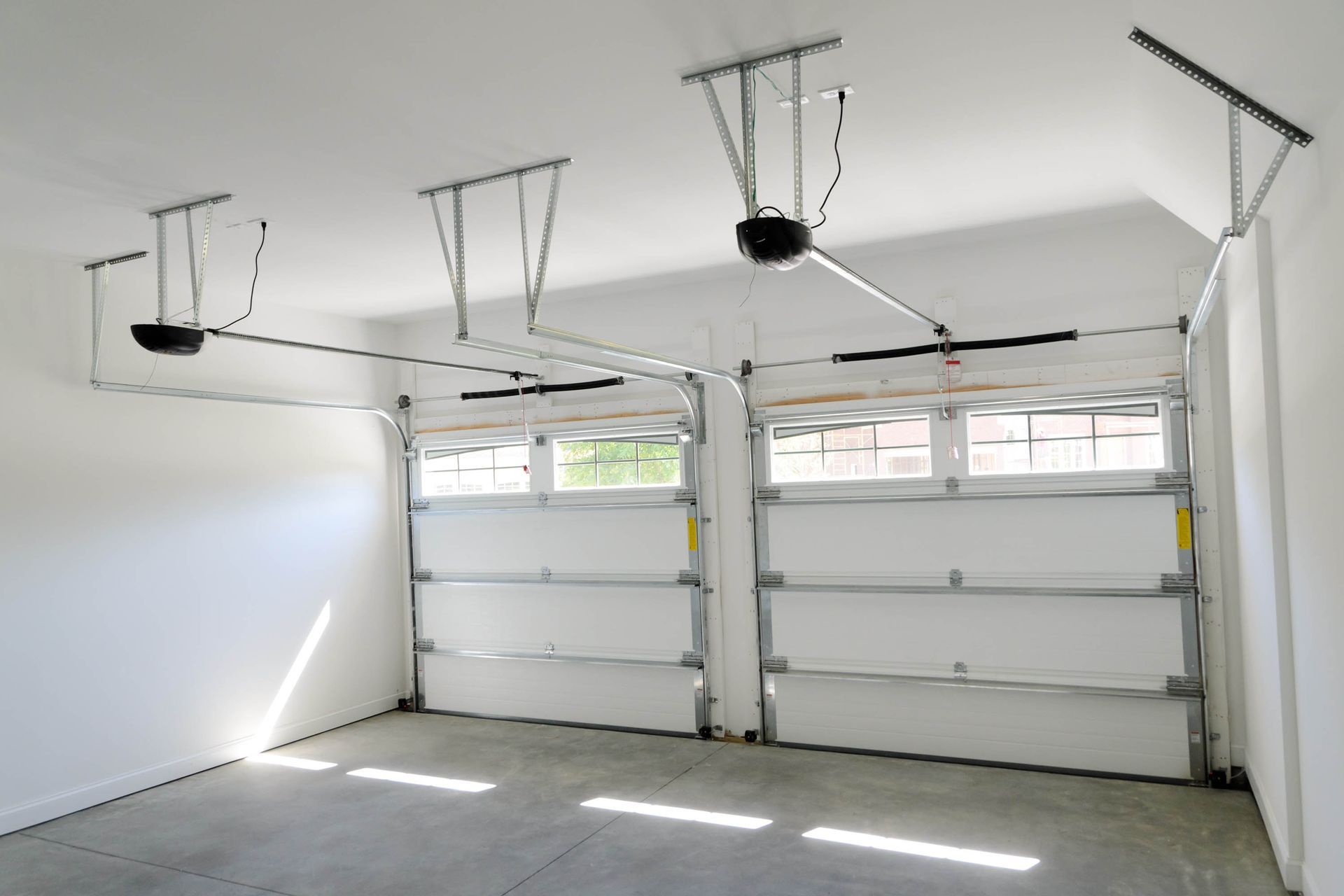
Garage door systems are complex in their design and functionality. Unlike simpler home maintenance tasks, these systems comprise numerous moving parts that work in unison. Springs, cables, motors, and tracks all need to be precisely aligned and maintained to ensure smooth operation. When any of these components malfunction, it can lead to a cascade of issues affecting the entire system. Therefore, understanding each element's intricate role is crucial in maintaining the garage door's efficiency.
Without professional knowledge, homeowners are often unable to accurately diagnose issues. The underlying problem may not be obvious, leading to misdiagnosis and potentially exacerbating the issue. This misidentification can lead to unnecessary repairs or replacements that could cost more than initially anticipated. The complexity of these systems demands expertise and a thorough understanding that typically only trained professionals possess. DIY fixes can often miss the root cause, leading to a cycle of recurring issues.
The impact of incorrect repairs can extend far beyond inefficiency; they can compromise the door’s safety features. A door that doesn’t close properly can be a security risk or a potential safety hazard. Improper attempts at repair may mask issues temporarily, but they can worsen over time. This adds financial stress through repeated breakdowns, ultimately resulting in the need for professional intervention. In essence, complexity is not just a technical challenge but a significant factor in safety and longevity.
The Risks of Misidentifying Garage Door Issues
Misidentification of garage door problems is a common pitfall in DIY attempts. Many issues seem superficial but are indicative of deeper issues. A door that doesn’t move smoothly or makes unusual noises could symbolize an impending failure within the springs or motor. Without the proper diagnostic tools, homeowners often overlook these signs, leading to increased wear and tear. Misidentifications often result in patchwork solutions that may temporarily fix a symptom but ignore the disease.
The complexity of the diagnosis connects directly to potential safety risks. Garage doors are heavy structures, and their malfunction can pose serious safety threats. According to Garage Door Nation, around 10,580 home injuries occur every year because of garage doors. Such statistics underscore the inherent dangers of attempting repairs without understanding the full scope of the problem. Failing to pinpoint the exact issues opens the door to further malfunctions and possible accidents.
Moreover, incorrect repairs can lead to more significant future expenses. By addressing only the symptoms, the underlying problem remains, continuing to create complications. The hidden costs of these problems will eventually manifest not just financially, but in time and effort as well. Homeowners may also face higher expenses from ongoing issues requiring repeated interventions. Thus, accurately diagnosing problems is not just about repair but effective mitigation of future expenses.
Components and Their Specific Technical Requirements
Each component of a garage door system has specific technical requirements and parameters for optimal functionality. Springs, for instance, can differ vastly between models and may have distinct needs for tension to function correctly. Incorrect handling or installation of these parts can lead to mechanical failure and increased risk. Proper installation not only assures functionality but also preserves the lifespan of the door components. Each component needs particular attention, and misunderstanding these can cause system inefficiency.
Cables, tracks, and even the panel material play distinct roles. All elements work in harmony to guarantee the safety and efficiency of the door's operation. Misalignment or improper assembly disrupts this harmony, leading to additional wear and consequential damage. Inadequate repair attempts may not immediately reveal failures, but over time, these misalignments result in gross inefficiencies and costly replacements. Understanding these components as part of a larger, integrated system is crucial in repair processes.
The Impact of Incorrect Repairs on System Efficiency
Incorrect repairs can dramatically impact the efficiency of garage door systems. Inefficient systems result in doors that may become stuck, noisy, or non-functional. These symptoms are typically the outcome of misaligned components that strain the system's motor and moving parts. A door that is not functioning properly consumes more power, reducing energy efficiency and increasing utility costs. The impact is not merely operational; it has financial and environmental connotations as well.
System efficiency is a vital component in maintaining overall safety and performance. Lower efficiency often means higher wear on parts, thereby reducing the door's lifespan. As components struggle to operate, they face accelerated degradation. Longer-term detriment arises when the systems aren't addressed promptly or adequately. Attempting to repair without a comprehensive understanding can compound issues, leading ultimately to system failure and costly replacements.
The Danger of High Tension Springs
High-tension springs are critical parts of garage door systems, responsible for counterbalancing the heavy weight of the door. The tension in these springs is extensive, and mishandling them can lead to catastrophic failures. When released suddenly, they have the potential to cause severe bodily harm or structural damage. Professionals are specially trained to handle such high-tension components safely, utilizing appropriate tools and methods to mitigate risks. Accidental engagement of these springs poses one of the highest risks in DIY garage door repairs.
While replacing or adjusting these springs may seem straightforward, the necessity for precision is paramount. Even a slight miscalibration can lead to operational failure or system collapse. Given their critical role, misconceiving their setup can interrupt the entire mechanism, potentially jamming the door or making it unsafe. Injuries from these components are not uncommon; many power tools cannot match the specific capability required to handle them safely. This highlights why intervention by a knowledgeable technician is critical.
Risks of Improperly Handled Electrical Components
Garage doors often incorporate electrical systems for automated and remote operation. Handling these components introduces a risk of electrocution or damage from electrical faults. Many DIY enthusiasts lack the electrical training necessary to safely manage these systems. This lack of knowledge can lead to short circuits, fried components, and unsafe wiring setups, posing severe risks to users. Proper insulation and connection practices are critical, underscoring the need for professional intervention for safety assurances.
Due to their risks, understanding the electrical components of a garage door requires both knowledge and experience. Homeowners attempting DIY repairs without this understanding face increased risks during repairs. Improper repairs may turn minor electrical issues into persistent faults, leading to complete mechanism failures. Such attempts can also void warranties, leading to substantial future costs. A lack of understanding can transform a simple problem into an unmanageable situation, adding further costs to eventual professional repairs.
Structural Instabilities During DIY Attempts
The structural integrity of garage doors can be compromised during DIY repair attempts. Misalignment during repair can lead to awkward weight distribution, placing stress on frames and supports. When burdened unevenly, the door risks severe bending or irreversible damage. These issues not only affect functionality but potentially endanger the safety of occupants. Ensuring proper setup and alignment is crucial to avoid structural failures and maintain long-term door health.
Prolonged structural instabilities can result in ongoing operational challenges. As parts move inefficiently, secondary components may also suffer damage or misalignment. Homeowners often overlook nuanced aspects of these complex mechanical systems, leading to progressive structural failures. These overlooked mistakes exacerbate financial strains through ongoing, unmanaged repairs. Safe resolution requires not just short-term fixes but a cohesive understanding of the entire structural system.
While DIY projects can be appealing, garage door repairs are best left to trained professionals. The complexity of the system, combined with the risks of misdiagnosis, high-tension components, electrical hazards, and potential structural damage, makes DIY attempts both unsafe and costly in the long run. By relying on experienced garage door companies, homeowners can ensure their systems are repaired correctly, safely, and efficiently—ultimately protecting both their property and their well-being. When it comes to
garage door repairs, contact our experienced professionals at Diagnostic Overhead Doors.